
A clinical and evidence-based review of how your gut ecosystem governs the inflammatory state of your entire body and what you can do about it
Introduction: Your Gut Is Not Just for Digestion
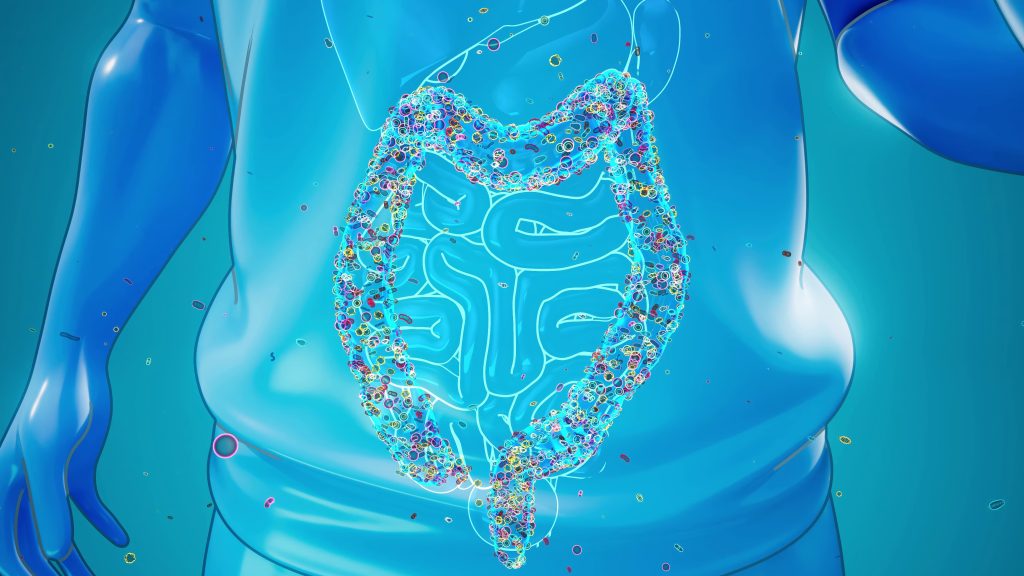
If you ask most people what the gut does, they will tell you it digests food. Technically, they are right but this answer captures perhaps ten per cent of what the gut actually does. The gastrointestinal tract is the largest interface between your internal body and the external environment, housing trillions of microorganisms collectively known as the gut microbiota. This living ecosystem bacteria, viruses, fungi, and archaea performs tasks that range from synthesising vitamins and regulating immune responses to modulating brain chemistry via the gut-brain axis.
Over the past decade, a growing body of research has revealed a critical and often underappreciated connection: when the gut microbiota falls out of balance – a state called dysbiosis — the physical barrier lining the intestine can become compromised, allowing bacterial products to enter the bloodstream and trigger a cascade of systemic inflammation that has been implicated in a remarkable range of chronic diseases.
This article reviews the current scientific evidence on the relationship between gut microbiota, intestinal permeability, and systemic inflammation. It is written for both patients curious about their health and clinicians seeking a concise, evidence-grounded overview. We draw on peer-reviewed research published in journals including Internal and Emergency Medicine, Frontiers in Microbiology, MedComm, and Frontiers in Cellular and Infection Microbiology, among others.
🔬 Key Clinical Insight
The intestinal barrier is not a static wall it is a dynamic, metabolically active system continuously shaped by the microbial communities living within it. Its integrity is fundamental not only to gut health but to the health of virtually every organ system in the body.
The Architecture of the Intestinal Barrier
The intestinal barrier is a marvel of biological engineering. It must accomplish two competing tasks simultaneously: absorb nutrients efficiently while preventing harmful substances bacterial toxins, undigested food antigens, pathogens from crossing into the body’s internal environment.
This barrier is built from several interdependent layers. At the outermost level sits a protective mucus layer secreted by goblet cells, which acts as the first line of defence. Beneath it lies a single-cell epithelial layer where the real gatekeeping happens. These epithelial cells are held together by specialised protein complexes called tight junctions including proteins such as occludin, claudins, and zonulin — which act like molecular bolts controlling the paracellular space between cells. Deeper still, the gut-associated lymphoid tissue (GALT) and the enteric nervous system (ENS) add further layers of immunological and neurological surveillance.
Critically, this entire system is influenced and in many ways governed by the gut microbiota. Beneficial bacteria play an active role in maintaining mucus thickness, producing short-chain fatty acids (SCFAs) that nourish colonocytes, and signalling to immune cells to remain tolerant of harmless luminal contents. When this microbial support is withdrawn as happens in dysbiosis the structural and functional integrity of the barrier can begin to erode.
Tight Junctions : Protein complexes (occludin, claudins) sealing the space between epithelial cells. When impaired, permeability increases.
Mucus Layer : A gel-like barrier secreted by goblet cells, continuously shaped by commensal microbes producing SCFAs
GALT : Gut-associated lymphoid tissue — home to 70% of the body’s immune cells. Directly communicates with the microbiota.
Enteric Nervous System : The “second brain” lining the gut wall, modulating motility, secretion, and immune signalling.
Dysbiosis: When the Microbial Balance Tips
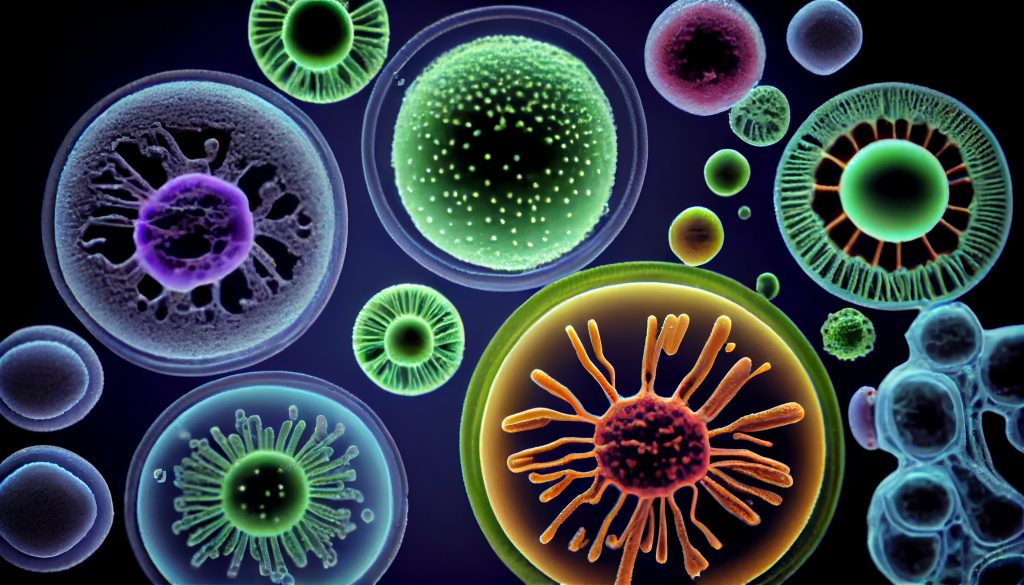
A healthy gut microbiome is characterised by diversity a rich variety of species performing complementary metabolic and immune functions. In adults, the ecosystem is typically dominated by bacteria from the phyla Firmicutes and Bacteroidetes, alongside important members such as Bifidobacterium, Lactobacillus, Faecalibacterium prausnitzii, and Akkermansia muciniphila.
Dysbiosis describes a disruption in this balance a reduction in microbial diversity, a loss of beneficial species, or an overgrowth of potentially harmful bacteria. This state can be triggered by a wide variety of factors, including antibiotic use, a diet high in ultra-processed foods and low in fibre, chronic psychological stress, sedentary behaviour, alcohol consumption, environmental pollutants, and recurrent infections. Even ageing itself a process now understood to be accompanied by a steady decline in microbiome diversity contributes to dysbiotic shifts.
A landmark 2025 review published in MedComm (Shen et al.) characterised the principal consequences of dysbiosis as impaired intestinal mucosal barrier function, immune dysregulation, and metabolic abnormalities — all of which interact in complex and mutually reinforcing ways. The same review described a feedback loop model of microbial dysbiosis → metabolic dysfunction → chronic inflammation, a cycle that, once initiated, is self-sustaining without meaningful intervention.
“Dysbiosis is not a single event it is a biological conversation gone wrong, a progressive decoupling of host and microbe that unfolds over years and eventually finds expression in disease.”
The “Leaky Gut” Mechanism Explained
The term “leaky gut” or, in clinical language, increased intestinal permeability refers to a state in which the tight junctions between intestinal epithelial cells are disrupted, allowing substances that should remain in the gut lumen to pass through into the portal bloodstream and, eventually, the systemic circulation.
This process is not hypothetical. According to a detailed narrative review by Di Vincenzo and colleagues published in Internal and Emergency Medicine (2024), disruption of the intestinal barrier is characterised by the release of bacterial metabolites and endotoxins — most notably lipopolysaccharide (LPS), a component of the outer membrane of gram-negative bacteria — into the circulation. The authors identified the primary drivers of this disruption as bacterial infections, oxidative stress, a high-fat diet, alcohol exposure, chronic allergen exposure, and dysbiosis itself.
The role of zonulin deserves special mention. Zonulin is the only known physiological regulator of intercellular tight junctions. Elevated serum levels of zonulin are now widely used as a clinical biomarker of intestinal permeability and have been found to correlate with disease activity in a range of inflammatory and autoimmune conditions. Its presence in the bloodstream signals that the gate has been opened — and what passes through is anything but benign.
Clinical Note: Serum zonulin levels, alongside faecal markers such as calprotectin and lactoferrin, are increasingly used in clinical practice to assess intestinal barrier integrity non-invasively. A thorough evaluation of gut permeability should always be contextualised alongside dietary history, microbiome profiling, and inflammatory markers such as CRP and IL-6.
The Role of LPS: Endotoxaemia and Arterial Inflammation
When LPS also called endotoxin escapes the gut, it enters the portal bloodstream and is carried to the liver, where under normal conditions it is efficiently detoxified. However, when the gut barrier is chronically leaky and the liver’s capacity for LPS clearance is overwhelmed, endotoxin spills into the systemic circulation. There, it binds to Toll-like receptor 4 (TLR4) on leukocytes, endothelial cells, and platelets, initiating a powerful inflammatory signalling cascade.
Research reviewed by Dmytriv and colleagues (Frontiers in Physiology, 2024) demonstrated that this LPS-induced inflammation is not confined to the gut. By activating blood coagulation pathways and promoting arterial inflammation, it has been mechanistically linked to the development of atherosclerosis and thrombotic disease — connecting gut dysbiosis directly to cardiovascular risk in ways that would have seemed implausible a generation ago.
From Gut to Body: The Systemic Inflammation Cascade
Once LPS and other microbial-associated molecular patterns (MAMPs) enter the circulation, the body’s immune system responds as it would to an infection because in a sense, it is being chronically “infected” with bacterial signals. The result is a state of low-grade, chronic systemic inflammation: persistently elevated circulating levels of pro-inflammatory cytokines including tumour necrosis factor-alpha (TNF-α), interleukin-6 (IL-6), interleukin-1β (IL-1β), and C-reactive protein (CRP).
This is categorically different from acute inflammation the hot, swollen, painful response that resolves an infection or heals a wound. Chronic low-grade inflammation is silent. It produces no fever, no swelling, no obvious symptoms. Instead, it smoulders beneath the surface for years, quietly promoting oxidative stress, DNA damage, immune dysregulation, and epigenetic alterations. A 2024 review published in Antioxidants described this process as a central mechanism linking gut dysbiosis to metabolic diseases including type 2 diabetes, obesity, and non-alcoholic fatty liver disease.
Equally important is the gut–liver axis. The liver receives approximately 70% of its blood supply directly from the portal vein — the same vessel that drains the intestinal lining. This makes the liver uniquely exposed to gut-derived endotoxins and metabolites, placing it at the front line of the inflammatory response to intestinal barrier dysfunction. Dysbiosis-driven LPS translocation is now recognised as a key driver in the progression of non-alcoholic fatty liver disease (NAFLD) to non-alcoholic steatohepatitis (NASH) and cirrhosis.
Chronic Diseases Linked to Gut Permeability
The breadth of conditions associated with dysbiosis, leaky gut, and systemic inflammation is striking — and continues to expand as research matures. A 2025 review in Frontiers in Cellular and Infection Microbiology identified that reduced gut microbial diversity has been strongly associated with inflammatory bowel disease (IBD), irritable bowel syndrome (IBS), obesity, type 2 diabetes mellitus, cardiovascular disease, and a growing list of neurological and autoimmune conditions.
Cardiovascular Disease
LPS-mediated arterial inflammation promotes atherosclerosis and thrombosis via TLR4 activation on endothelial cells.
Neurological Disorders
Gut dysbiosis and systemic inflammation are implicated in depression, anxiety, and neurodegenerative diseases such as Parkinson’s and Alzheimer’s.
Obesity & T2DM
Chronic low-grade inflammation driven by dysbiosis impairs insulin signalling and contributes to metabolic syndrome.
Autoimmune Disease
Increased gut permeability enables antigen translocation that triggers immune responses in conditions such as lupus, MS, and type 1 diabetes.
Perhaps most compelling is the gut–brain axis the bidirectional communication network between the gut microbiome and the central nervous system involving neural, endocrine, immune, and metabolic signals. Dysbiosis-driven systemic inflammation can cross the blood–brain barrier, promoting neuroinflammation. Clinical research has found significant alterations in gut microbiota composition in patients with depression, anxiety, and Parkinson’s disease, suggesting that the journey from leaky gut to altered mental health may be shorter than once imagined.
Diet as a Therapeutic Lever
If diet is one of the primary drivers of dysbiosis, it is also one of the most powerful tools for reversing it. The gut microbiota composition can begin to shift within 24 to 48 hours of a significant dietary change — a finding that underscores both the vulnerability of the microbiome and its remarkable plasticity.
The evidence is clear: a diet rich in diverse plant fibres, fermented foods, polyphenols, and omega-3 fatty acids nourishes a diverse and resilient microbiome, supports the production of protective short-chain fatty acids (SCFAs) such as butyrate, propionate, and acetate, and reduces intestinal permeability. By contrast, a diet dominated by ultra-processed foods, refined sugars, saturated fats, artificial emulsifiers, and alcohol promotes dysbiosis, depletes SCFA-producing bacteria, thins the mucus layer, and increases paracellular permeability.
Short-Chain Fatty Acids: The Microbial Gift to Your Gut Lining
Butyrate deserves special recognition. This four-carbon SCFA, produced through the fermentation of dietary fibre by colonic bacteria including Faecalibacterium prausnitzii and Roseburia intestinalis, is the primary energy source for colonocytes. It actively promotes the expression of tight junction proteins, reduces intestinal permeability, and exerts powerful anti-inflammatory effects both locally and systemically. A diet that starves butyrate-producing bacteria — as a fibre-depleted, ultra-processed diet does — is therefore a diet that undermines its own gut lining.
The Mediterranean Diet and Microbiome Diversity
Among the most studied dietary patterns in relation to gut microbiome health is the Mediterranean diet — rich in vegetables, legumes, whole grains, olive oil, nuts, fish, and fermented dairy. Multiple studies have demonstrated that adherence to a Mediterranean dietary pattern is associated with greater microbial diversity, higher SCFA production, lower circulating inflammatory markers, and reduced intestinal permeability. For clinicians managing patients with chronic inflammatory conditions, encouraging a Mediterranean-style dietary pattern is currently one of the most evidence-supported non-pharmacological interventions available.
Practical Recommendation: Encourage patients to aim for a minimum of 30 different plant foods per week — including vegetables, fruits, legumes, whole grains, nuts, seeds, and herbs. Research by the American Gut Project suggests that this simple target is one of the strongest predictors of microbiome diversity.
Probiotics, Prebiotics and Emerging Therapies
Restoring a disrupted gut microbiome is an active area of clinical research. Several evidence-based approaches exist, ranging from well-established interventions to exciting next-generation strategies.
Probiotics
Probiotics are live microorganisms that, when administered in adequate amounts, confer a health benefit on the host. The most extensively studied strains belong to the genera Lactobacillus and Bifidobacterium, with compelling data for a range of conditions including antibiotic-associated diarrhoea, irritable bowel syndrome, and ulcerative colitis. A 2025 review published in Microorganisms (Ortiz and López-Zúñiga) catalogued the mechanisms by which probiotics exert their effects: modulation of the immune system, competitive exclusion of pathogens, reinforcement of the intestinal barrier, and production of antimicrobial peptides and neurochemicals.
It is essential, however, to note that the evidence base is strain-specific. Not all probiotics are interchangeable, and clinical recommendations must be grounded in matching the correct strain or combination to the target condition. Dose, duration, and patient baseline microbiota profile all influence outcomes.
Prebiotics and Synbiotics
Prebiotics selectively fermented dietary fibres that stimulate the growth of beneficial bacteria work synergistically with probiotics. When the two are combined (a formulation known as a synbiotic), evidence suggests additive or even synergistic effects on microbiome composition and barrier function. Inulin, fructo-oligosaccharides (FOS), and galacto-oligosaccharides (GOS) are among the best-studied prebiotic substrates.
Next-Generation Probiotics and Faecal Microbiota Transplantation
The frontier of microbiome therapeutics includes so-called next-generation probiotics — organisms such as Akkermansia muciniphila, Faecalibacterium prausnitzii, and Bacteroides uniformis — which have demonstrated striking anti-inflammatory and barrier-protective properties in preclinical and early clinical studies but are not yet widely available as licensed therapeutics.
Faecal microbiota transplantation (FMT) — the transfer of processed stool from a healthy donor to a recipient — represents perhaps the most dramatic microbiome intervention available. It is currently the gold-standard treatment for recurrent Clostridioides difficile infection, where it achieves cure rates of over 90%, and is under investigation for IBD, metabolic syndrome, and neurological conditions. Emerging research is also exploring bacteriophage therapies as a highly targeted approach to selectively modulate pathogenic species without disturbing the broader microbial community.
Clinical Takeaways for Patients and Practitioners
The science reviewed here converges on several practical conclusions that are relevant whether you are a patient wondering why you feel persistently unwell, or a clinician seeking to understand the upstream drivers of a patient’s chronic condition.
For patients: Your gut microbiome is not a fixed biological feature — it is a dynamic ecosystem shaped daily by the food you eat, the stress you carry, the sleep you get, the exercise you take, and the medications you use. Small, consistent shifts in these variables accumulate over time into significant changes in microbiome diversity, intestinal barrier integrity, and systemic inflammatory load. The evidence does not support seeking a single “gut health fix”; it supports building a lifestyle that consistently nourishes microbial diversity.
For clinicians: Intestinal permeability is increasingly measurable and clinically actionable. Serum zonulin, faecal calprotectin, intestinal fatty acid binding protein (I-FABP), and urinary lactulose:mannitol ratios all provide windows into barrier function. Integrating these markers into clinical assessment particularly in patients with unexplained fatigue, autoimmune conditions, metabolic syndrome, or treatment-refractory inflammatory disease may illuminate drivers that standard investigations miss. Dietary intervention remains the safest, most accessible, and most evidence-supported first-line approach to restoring microbiome health and reducing intestinal permeability.
Summary for Practice
Chronic low-grade systemic inflammation driven by gut dysbiosis and increased intestinal permeability is a unifying upstream mechanism in a wide spectrum of modern chronic diseases. Addressing it through diet, lifestyle, and targeted microbiome therapies represents one of the most promising frontiers in preventive and clinical nutrition.
Conclusion
The relationship between gut microbiota, intestinal permeability, and systemic inflammation is one of the most clinically significant insights to emerge from biomedical research in the past two decades. What began as a niche area of gastroenterology has become a central pillar of our understanding of chronic disease from cardiovascular and metabolic conditions to neurodegenerative and autoimmune disorders.
The intestinal barrier is not merely a passive membrane. It is an active, dynamic ecosystem part physical wall, part immune organ, part endocrine tissue continuously sculpted by the microbial communities that live within it. When that sculpting process is disturbed by the forces of modern living processed diets, sedentary habits, chronic stress, antibiotic overuse the consequences extend far beyond the gut wall.
My thoughts
The good news about gut is that the gut microbiome is responsive. It listens to every meal, every night of sleep, every walk in the park. Evidence-based dietary strategies, targeted probiotic interventions, and where appropriate advanced therapies such as FMT offer real and meaningful opportunities to restore balance, reinforce the barrier, and quiet the inflammatory storm that drives so much modern ill health.
At Smart Nutrition International, we integrate the latest science in neurogastroenterology, clinical nutrition, and microbiome research to support patients and professionals in making evidence-informed decisions. If you are interested in a personalised assessment of your gut health and microbiome.
References
- Di Vincenzo F, Del Gaudio A, Petito V, Lopetuso LR, Scaldaferri F. Gut microbiota, intestinal permeability, and systemic inflammation: a narrative review. Intern Emerg Med. 2024;19(2):275–293. doi:10.1007/s11739-023-03374-w. PubMed
- Shen Y, Fan N, Ma S, Cheng X, Yang X, Wang G. Gut Microbiota Dysbiosis: Pathogenesis, Diseases, Prevention, and Therapy. MedComm. 2025;6:e70168. doi:10.1002/mco2.70168. PMC
- Dmytriv TR, Storey KB, Lushchak VI. Intestinal barrier permeability: the influence of gut microbiota, nutrition, and exercise. Front Physiol. 2024. PMC
- Chae YR, Lee YR, Kim YS, Park HY. Diet-Induced Gut Dysbiosis and Leaky Gut Syndrome. J Microbiol Biotechnol. 2024;34(4):747–756. doi:10.4014/jmb.2312.12031. PMC
- Ortiz V, López-Zúñiga A. Gut Microbiota: An Immersion in Dysbiosis, Associated Pathologies, and Probiotics. Microorganisms. 2025;13(5):1084. doi:10.3390/microorganisms13051084
- Stojanov S, Berlec A, Štrukelj B. The influence of probiotics on the Firmicutes/Bacteroidetes ratio in the treatment of obesity and inflammatory bowel disease. Microorganisms. 2020;8(11). doi:10.3390/microorganisms8111715
- Bischoff SC et al. Intestinal permeability — a new target for disease prevention and therapy. BMC Gastroenterol. 2014;14:189. doi:10.1186/s12876-014-0189-7
- Violi F et al. Gut-derived endotoxemia and systemic inflammation. Cited in Dmytriv et al. 2024.
- Frontiers in Cellular and Infection Microbiology. Gut microbiota modulation in gastrointestinal disorders: current evidence and therapeutic perspectives. 2025. Full Article
- Ribatti D. Gut microbiota, intestinal permeability, and systemic inflammation: a narrative review. Comment. Intern Emerg Med. 2024;19(5):1515–1516. doi:10.1007/s11739-024-03600-z
