

Introduction: A Paradigm Shift in Neurodegenerative Disease Research
Alzheimer’s disease (AD) represents one of the most pressing health challenges of our time, affecting approximately 50 million individuals globally, with projections suggesting this figure will reach 152 million by 2050. Traditionally understood through the lens of amyloid-beta (Aβ) plaques and tau protein tangles, emerging research is revolutionising our comprehension of AD pathogenesis by highlighting the critical role of the gut microbiota in cognitive decline.
Recent investigations into the microbiota-gut-brain axis (MGBA) have unveiled compelling evidence that gut dysbiosis an imbalance in intestinal microbial communities may serve as both a contributor to and potential therapeutic target for AD. This paradigm shift offers unprecedented opportunities for nutritional interventions and microbiome-based therapeutics in neurodegenerative disease management.
The Microbiota-Gut-Brain Axis: Bidirectional Communication in Neurodegeneration
Understanding the MGBA Framework
The microbiota-gut-brain axis represents a complex bidirectional communication network integrating neural, endocrine, metabolic, and immunological pathways. This sophisticated system enables continuous dialogue between the enteric nervous system and the central nervous system (CNS), with gut microbiota serving as a crucial intermediary.
The human gut harbours approximately 100 trillion microorganisms, predominantly bacteria from four major phyla: Firmicutes, Bacteroidetes, Actinobacteria, and Proteobacteria. These microbial communities influence brain function through multiple mechanisms, including the production of neurotransmitters, modulation of immune responses, and synthesis of bioactive metabolites that can traverse the blood-brain barrier (BBB).
Gut Dysbiosis in Alzheimer’s Disease: The Evidence
examining AD patients consistently demonstrates significant alterations in gut microbiota composition compared to cognitively healthy individuals. These changes encompass reduced microbial diversity, decreased abundance of beneficial bacteria such as Bifidobacterium and Lactobacillus, and proliferation of potentially pathogenic species.
Studies have identified specific microbial signatures associated with AD biomarkers. Lower levels of cerebrospinal fluid (CSF) Aβ42/Aβ40 ratios and elevated phosphorylated tau (p-tau) correlate with increased abundance of pro-inflammatory bacterial families, whilst protective species demonstrate inverse associations with disease severity.
Neuroinflammation: The Common Denominator in Gut-Brain Dysfunction
Chronic Inflammation as a Primary Driver
Neuroinflammation has emerged as the third cardinal pathological hallmark of AD, following Aβ accumulation and neurofibrillary tangle formation. Rather than merely a secondary response to protein aggregation, chronic neuroinflammation actively drives cognitive decline through sustained activation of microglia and astrocytes the brain’s resident immune cells.
When gut barrier integrity becomes compromised due to dysbiosis, microbial metabolites and inflammatory mediators enter systemic circulation. If the BBB is similarly breached, these pro-inflammatory substances activate CNS immune responses, creating a self-perpetuating cycle of neuroinflammation that accelerates neurodegeneration.
Key Inflammatory Mechanisms
Lipopolysaccharide (LPS) Translocation: LPS, a component of gram-negative bacterial cell walls, triggers robust inflammatory responses when it crosses compromised gut and blood-brain barriers. Elevated LPS levels in AD patients correlate with increased microglial activation and Aβ deposition.
Cytokine Storm: Dysbiotic microbiota promotes excessive production of pro-inflammatory cytokines including interleukin-6 (IL-6), tumour necrosis factor-alpha (TNF-α), and interleukin-1 beta (IL-1β). These molecules not only exacerbate neuroinflammation but also directly interfere with synaptic plasticity and neuronal survival.
Oxidative Stress Amplification: Chronic inflammation generates excessive reactive oxygen species (ROS) and nitric oxide (NO), overwhelming endogenous antioxidant defences and causing oxidative damage to neuronal lipids, proteins, and DNA.
Microbial Metabolites: Molecular Messengers Linking Gut and Brain
Short-Chain Fatty Acids: Neuroprotective Molecules
Short-chain fatty acids (SCFAs) principally butyrate, acetate, and propionate represent crucial metabolic products of bacterial fibre fermentation. These molecules exert profound neuroprotective effects through multiple mechanisms:
Butyrate, in particular, demonstrates remarkable anti-inflammatory properties by inhibiting histone deacetylases (HDACs) and modulating gene expression favourably for neuronal health. Research indicates that AD patients exhibit significantly reduced butyrate-producing bacteria and lower SCFA concentrations compared to healthy controls.
SCFAs maintain BBB integrity by strengthening tight junction proteins between endothelial cells, preventing unwanted translocation of inflammatory mediators into the CNS. Furthermore, butyrate serves as a primary energy source for colonocytes, supporting gut barrier function and reducing intestinal permeability often termed “leaky gut syndrome.”
Neurotransmitter Production by Gut Microbiota
The gut microbiome actively synthesises numerous neurotransmitters and neuroactive compounds that influence mood, cognition, and behaviour. Specific bacterial species produce gamma-aminobutyric acid (GABA), serotonin, dopamine, and acetylcholine neurotransmitters critically implicated in AD pathophysiology.
Approximately 95% of the body’s serotonin is produced in the gastrointestinal tract, where it modulates intestinal motility, secretion, and inflammatory responses. Disrupted serotonin metabolism due to gut dysbiosis may contribute to the neuropsychiatric symptoms commonly observed in AD patients, including depression, anxiety, and sleep disturbances.
Bacterial Amyloid and Molecular Mimicry
Intriguingly, many bacterial species produce amyloid proteins structurally similar to human Aβ. This phenomenon of molecular mimicry may trigger cross-reactive immune responses, wherein antibodies developed against bacterial amyloids inadvertently target endogenous neuronal proteins, potentially accelerating AD pathogenesis.
Studies have demonstrated that bacterial DNA can promote tau protein aggregation in vitro, whilst specific oral pathogens such as Porphyromonas gingivalis have been identified in AD brain tissue, suggesting direct microbial involvement in neurodegeneration.
COVID-19 and Alzheimer’s Disease: Emerging Bidirectional Risks
Neurological Manifestations of SARS-CoV-2 Infection
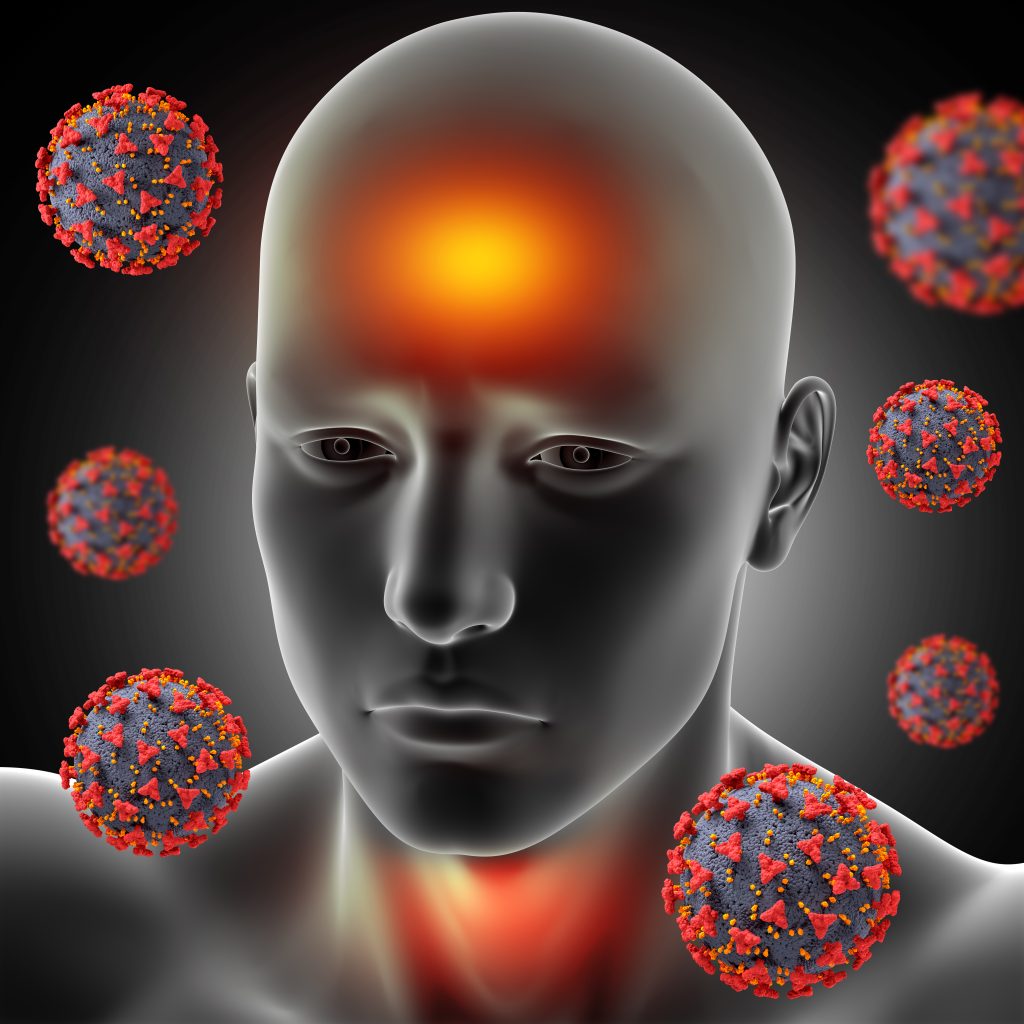
The COVID-19 pandemic has illuminated unexpected connections between viral infections and neurodegenerative disease. SARS-CoV-2, the causative agent of COVID-19, demonstrates significant neuroinvasive potential, accessing the CNS through multiple routes including olfactory pathways, haematogenous spread, and direct BBB disruption.
A comprehensive review examining shared pathophysiological mechanisms between COVID-19 and AD identified several common features: memory decline, anosmia (loss of smell), neuroinflammation, and disrupted angiotensin-converting enzyme 2 (ACE2) signalling. Notably, the ACE2 receptor SARS-CoV-2’s primary entry point is abundantly expressed in brain regions affected by AD, including the hippocampus and cortex.
Post-COVID Cognitive Sequelae: The Evidence Base
investigating dementia incidence following COVID-19 infection has yielded nuanced findings. A retrospective cohort study comparing 8,129 matched pairs of patients aged 65 and older found that 1.84% of COVID-19 patients versus 1.78% of those with acute upper respiratory infections (AURI) received dementia diagnoses within 12 months. The incidence rate ratio of 1.05 (95% CI: 0.85-1.29) suggests no significant short-term association after controlling for traditional dementia risk factors.
However, this study’s one-year follow-up period may be insufficient to detect AD’s insidious onset. Given that dementia typically develops over years to decades, longer observation periods are essential to fully elucidate potential relationships between COVID-19 and accelerated cognitive decline.
Shared Vulnerability Factors
Individuals with pre-existing AD demonstrate increased vulnerability to severe COVID-19 outcomes. This bidirectional risk relationship likely reflects shared pathophysiological mechanisms including chronic inflammation, immune dysregulation, vascular dysfunction, and the apolipoprotein E (APOE) ε4 genotype—the strongest genetic risk factor for late-onset AD.
APOE ε4 carriers exhibit both heightened AD susceptibility and more severe COVID-19 disease courses, suggesting common biological pathways linking genetic predisposition, immune function, and viral susceptibility. Understanding these overlapping mechanisms may inform preventive strategies for both conditions.
Nutritional Interventions Targeting the Microbiota-Gut-Brain Axis
Evidence-Based Dietary Approaches
Mediterranean Diet: This dietary pattern, characterised by abundant vegetables, fruits, whole grains, legumes, olive oil, and moderate fish consumption, demonstrates robust evidence for cognitive protection. The Mediterranean diet’s high fibre content promotes SCFA production whilst its polyphenol-rich foods exert direct anti-inflammatory and antioxidant effects.
Multiple observational studies and randomised controlled trials have associated Mediterranean diet adherence with reduced AD risk, slower cognitive decline, and favourable modifications in gut microbiota composition, including increased Bifidobacterium and Lactobacillus populations.
MIND Diet: The Mediterranean-DASH Intervention for Neurodegenerative Delay (MIND) diet specifically targets brain health by emphasising berries, leafy greens, nuts, whole grains, fish, poultry, and olive oil whilst limiting red meat, butter, cheese, and sweets. Research indicates that high MIND diet adherence may reduce AD risk by up to 53%, with even moderate adherence conferring significant protective benefits.
Ketogenic and Modified Ketogenic Approaches: Emerging evidence suggests ketogenic diets may benefit AD patients by providing ketone bodies as alternative neuronal fuel sources, reducing glucose-dependent oxidative stress, and modulating gut microbiota towards increased SCFA-producing species. However, long-term adherence challenges and individual variability necessitate careful clinical implementation.
Probiotic and Prebiotic Interventions
Probiotic Supplementation: Specific probiotic strains have demonstrated cognitive benefits in AD patients and animal models. Lactobacillus and Bifidobacterium species reduce inflammatory markers, improve gut barrier function, and enhance production of neuroprotective compounds.
Clinical trials examining multi-strain probiotic formulations in AD patients have reported improvements in cognitive scores, reduced oxidative stress markers, and favourable changes in inflammatory cytokine profiles. Optimal strain selection, dosing regimens, and treatment duration remain active areas of investigation.
Prebiotic Fibres: Prebiotics non-digestible food components that selectively stimulate beneficial bacterial growth offer an alternative or complementary approach to direct probiotic administration. Inulin, fructooligosaccharides (FOS), and galactooligosaccharides (GOS) increase SCFA production, enhance mineral absorption, and support immune function.
Research indicates that prebiotic supplementation can restore microbial diversity in elderly populations, potentially counteracting age-related dysbiosis that contributes to AD risk.
Senolytic Nutrients and Phytochemicals
Certain dietary compounds exhibit senolytic properties the ability to selectively eliminate senescent cells that accumulate with ageing and contribute to chronic inflammation. This emerging therapeutic strategy holds promise for addressing the inflammatory component of AD pathogenesis.
Quercetin and Fisetin: These flavonoids found in onions, apples, and strawberries demonstrate senolytic activity in preclinical studies. Fisetin, in particular, has shown ability to reduce neuroinflammation, improve memory, and extend healthspan in animal models.
Omega-3 Fatty Acids: Docosahexaenoic acid (DHA) and eicosapentaenoic acid (EPA) from fatty fish reduce neuroinflammation through multiple mechanisms including membrane incorporation, specialised pro-resolving mediator production, and favourable gut microbiota modulation. Clinical evidence supports omega-3 supplementation particularly in early AD stages and individuals with mild cognitive impairment.
Polyphenol-Rich Foods: Resveratrol (grapes, berries), curcumin (turmeric), epigallocatechin gallate (green tea), and other polyphenols demonstrate neuroprotective effects through antioxidant, anti-inflammatory, and microbiota-modulating properties. These compounds also promote beneficial bacterial growth whilst inhibiting pathogenic species.
Advanced Therapeutic Strategies: Beyond Basic Nutrition

Faecal Microbiota Transplantation (FMT)
Faecal microbiota transplantation represents a revolutionary approach to rapidly restore healthy gut microbiota composition. Whilst primarily employed for recurrent Clostridium difficile infections, emerging research explores FMT’s potential in neurodegenerative diseases.
Animal studies demonstrate that FMT from healthy donors into AD model mice improves cognitive function, reduces Aβ deposition, and attenuates neuroinflammation. However, human trials remain limited, and significant safety, ethical, and regulatory considerations must be addressed before widespread clinical implementation.
Synbiotic Formulations
Synbiotics—combinations of probiotics and prebiotics designed to work synergistically offer theoretical advantages over single interventions. By providing both beneficial bacteria and their preferred substrates, synbiotics may achieve more robust and sustainable microbiota modulation.
Clinical trials investigating synbiotic interventions in cognitive impairment have shown promising preliminary results, including improved metabolic parameters, reduced inflammatory markers, and stabilised cognitive function. Optimising formulation composition and delivery systems represents an active research frontier.
Precision Nutrition and Personalised Approaches
The recognition that individual responses to dietary interventions vary substantially has catalysed interest in precision nutrition strategies based on personalised microbiota profiling. Advanced metagenomic sequencing technologies now enable detailed characterisation of individual gut microbiota composition, potentially informing tailored dietary recommendations.
Future clinical practice may incorporate routine microbiota assessments to guide personalised nutrition plans optimised for each patient’s unique microbial ecosystem, genetic background, and disease stage. This approach could maximise therapeutic efficacy whilst minimising potential adverse effects.
Clinical Implications and Practical Recommendations
For Healthcare Professionals
Early Intervention: Given AD’s lengthy preclinical phase, implementing preventive nutritional strategies in midlife offers the greatest potential for risk reduction. Clinicians should proactively discuss diet, lifestyle, and gut health with patients demonstrating subjective cognitive concerns or family histories of dementia.
Comprehensive Assessment: Evaluate patients for modifiable risk factors including poor dietary patterns, antibiotic exposure, gastrointestinal symptoms, and chronic systemic inflammation. Consider microbiota-targeted interventions as complementary approaches alongside conventional AD management.
Evidence-Based Supplementation: Recommend specific probiotic strains with clinical evidence supporting cognitive benefits, omega-3 fatty acids (particularly in APOE ε4 carriers and early disease stages), and polyphenol-rich dietary supplements when food sources prove insufficient.
For Patients and Caregivers
Dietary Foundations: Prioritise whole, minimally processed foods with emphasis on vegetables, fruits, legumes, whole grains, nuts, seeds, and fatty fish. These foods provide fibre for beneficial bacteria whilst delivering essential nutrients for brain health.
Lifestyle Integration: Combine nutritional interventions with regular physical activity, stress management, adequate sleep, and social engagement—all factors independently associated with both healthy gut microbiota and reduced AD risk.
Gradual Implementation: Introduce dietary changes progressively to allow microbiota adaptation and minimise gastrointestinal discomfort. Dramatic sudden shifts may cause temporary dysbiosis and discourage long-term adherence.
Professional Guidance: Work with registered dietitians or clinical nutritionists specialising in neurodegenerative diseases to develop personalised, evidence-based nutrition plans addressing individual needs, preferences, and health conditions.
Future Directions and Research Needs
Despite remarkable progress in understanding gut-brain connections in AD, numerous questions remain unanswered. Priority research areas include:
Causality Elucidation: Whilst associations between gut dysbiosis and AD are well-established, definitively determining whether microbial alterations represent causes, consequences, or coincidental findings requires sophisticated longitudinal studies and mechanistic investigations.
Biomarker Development: Identifying specific microbiota signatures that predict AD risk or progression could enable earlier diagnosis and targeted interventions. Integration of microbiome data with neuroimaging, CSF biomarkers, and genetic information may enhance predictive accuracy.
Mechanistic Understanding: Further research must clarify precise molecular mechanisms through which gut microbiota influences AD pathology, including identification of specific metabolites, signaling pathways, and host-microbe interactions driving neurodegeneration.
Clinical Trial Expansion: Large-scale, well-designed randomised controlled trials examining microbiota-targeted interventions in AD prevention and treatment are urgently needed. Studies should incorporate diverse populations, extended follow-up periods, and comprehensive outcome measures beyond cognitive testing.
Safety Optimisation: As novel interventions like FMT and engineered probiotics advance toward clinical application, rigorous safety assessments must precede widespread implementation, particularly in vulnerable elderly populations with multiple comorbidities.
Conclusion: Embracing a Holistic Paradigm
The recognition that Alzheimer’s disease extends beyond brain pathology to encompass systemic processes including gut microbiota dysfunction represents a fundamental shift in neurodegenerative disease conceptualisation. This expanded perspective opens unprecedented therapeutic avenues whilst underscoring the importance of holistic, patient-centred approaches to cognitive health.
The microbiota-gut-brain axis provides a promising target for nutritional interventions that may prevent, delay, or potentially ameliorate AD progression. Whilst current evidence supports incorporating Mediterranean dietary patterns, probiotic supplementation, and anti-inflammatory nutrients into comprehensive AD management strategies, continued research will refine these approaches and identify novel interventions.
For healthcare professionals, patients, and caregivers, understanding gut-brain connections empowers informed decision-making regarding dietary choices, supplementation strategies, and lifestyle modifications supporting cognitive resilience. By nurturing our gut microbiota through evidence-based nutritional interventions, we may simultaneously nourish our brains and reduce the devastating burden of Alzheimer’s disease.
My Thoughts
I’ve witnessed firsthand how profoundly gut health influences cognitive function in my patients. What strikes me most is the remarkable plasticity of the gut microbiome unlike genetic risk factors we cannot modify, dietary interventions offer tangible, actionable tools for neuroprotection. The challenge lies not in the science, which grows more compelling daily, but in translating complex mechanisms into sustainable dietary patterns that patients can maintain long-term. I’ve observed that patients who embrace gradual, Mediterranean-style dietary shifts combined with targeted probiotic supplementation often report improvements not only in cognitive clarity but also in gastrointestinal comfort, mood, and overall vitality a testament to the interconnected nature of our physiological systems. The future of neuro degenerative diseases prevention and management, I believe, will be profoundly shaped by our ability to harness the gut-brain axis through precision nutrition strategies.
