
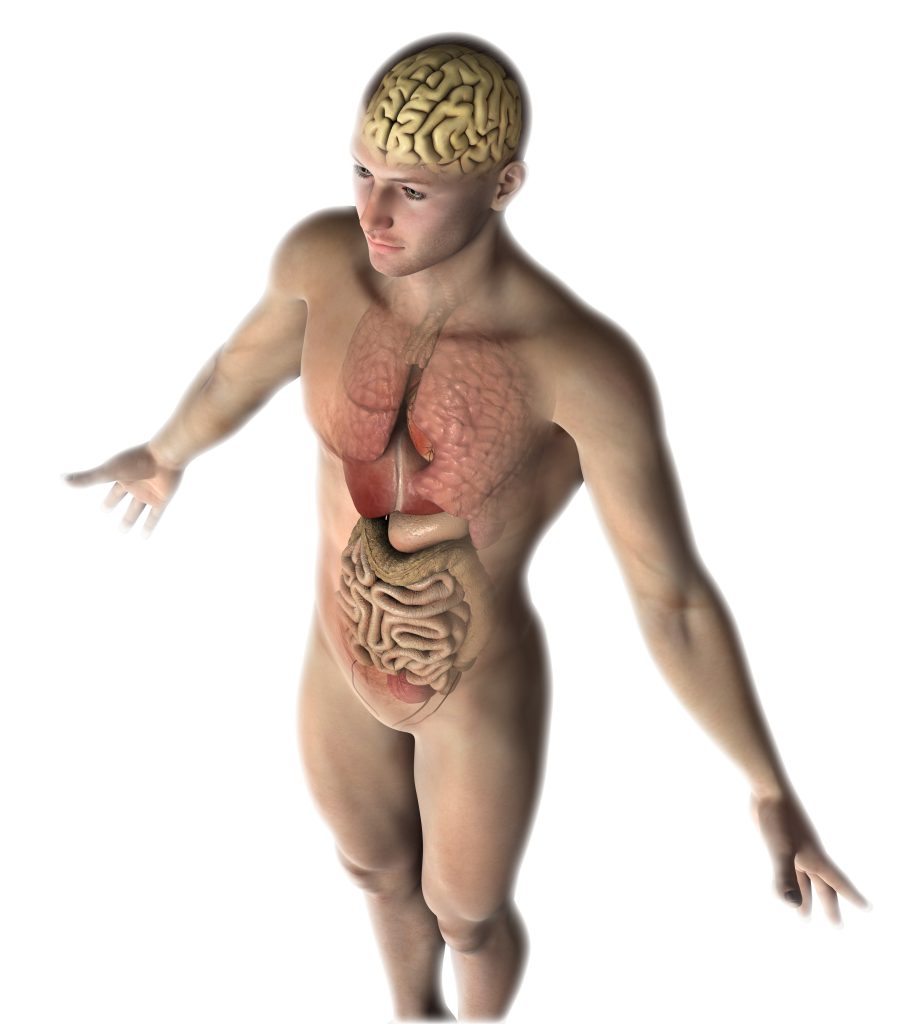
Introduction: The Overlooked Guardian of Brain Health
When we consider factors affecting mental health and cognitive function, we typically focus on stress management, genetics, diet quality, and exercise. However, emerging scientific evidence reveals a critical player that often remains hidden in plain sight: the liver. This vital organ, traditionally viewed solely through the lens of metabolic and detoxification functions, now emerges as a key regulator of brain health and cognitive performance.
The liver-brain axis represents a bidirectional communication network that fundamentally influences neurological function, mood regulation, and long-term cognitive outcomes. As metabolic dysfunction-associated steatotic liver disease (MASLD) affects approximately 30% of the global population, understanding this connection becomes not just academically interesting but clinically urgent for both patients and healthcare professionals.
Understanding the Liver-Brain Axis: More Than Detoxification
The liver performs over 500 vital functions, with two having profound implications for brain health: metabolic regulation and detoxification. The brain, despite representing only 2% of body weight, consumes approximately 20% of total energy expenditure. This extraordinary energy demand means the brain depends critically on a healthy liver to maintain optimal function.
Recent longitudinal research from the Korean Brain Aging Study examined 347 older adults over two years, revealing compelling associations between liver function markers and Alzheimer’s disease pathologies. Higher baseline alanine aminotransferase (ALT) levels correlated with increased beta-amyloid deposition, whilst lower total bilirubin levels associated with greater tau protein accumulation – two hallmark features of Alzheimer’s disease.
These findings suggest that liver dysfunction doesn’t simply correlate with cognitive decline; it may actively contribute to the neuropathological processes underlying dementia. The mechanism involves multiple pathways, including impaired glucose metabolism, chronic systemic inflammation, vascular dysfunction, and compromised blood-brain barrier integrity.
Metabolic Dysfunction-Associated Steatotic Liver Disease: A Silent Epidemic
MASLD, previously known as non-alcoholic fatty liver disease (NAFLD), represents a spectrum of liver conditions characterised by excessive fat accumulation in hepatocytes. This condition progresses through distinct stages: simple steatosis, steatohepatitis, fibrosis, cirrhosis, and potentially hepatocellular carcinoma.
What makes MASLD particularly concerning for brain health is its systemic impact. The condition triggers chronic low-grade inflammation, insulin resistance, and lipotoxicity ,a triad of metabolic disturbances that extend far beyond hepatic tissue. These systemic effects compromise the blood-brain barrier, allowing inflammatory mediators, peripheral immune cells, and toxins to infiltrate neural tissue.
A comprehensive review examining cognitive function in MASLD patients identified compromised executive function and global cognitive decline, particularly in individuals at risk of progressing to liver fibrosis. Critically, this cognitive impairment transcends simple associations with metabolic factors, delving into the intricate pathophysiology characterising MASLD itself.
The Biomechanical Pathways: From Liver to Brain
Hepatic Encephalopathy and Ammonia Toxicity
When the liver fails to perform adequate detoxification, toxic metabolites accumulate in the bloodstream. Ammonia represents one of the most neurotoxic compounds, typically converted to urea by a healthy liver. In liver dysfunction, elevated ammonia levels cross the blood-brain barrier, causing cerebral oedema, astrocyte swelling, oxidative stress, and neurotransmitter imbalances.
Hepatic encephalopathy manifests through a spectrum of neuropsychiatric symptoms: confusion, altered consciousness, sleep-wake cycle disturbances, personality changes, and in severe cases, coma. These symptoms reflect direct neuronal damage from metabolic toxins that a dysfunctional liver cannot neutralise.
Inflammation: The Silent Mediator
Chronic systemic inflammation serves as a critical mediator linking liver dysfunction to cognitive decline. MASLD triggers persistent activation of inflammatory pathways, with elevated levels of pro-inflammatory cytokines including interleukin-6 (IL-6), tumour necrosis factor-alpha (TNF-α), and C-reactive protein (CRP).
These inflammatory mediators compromise blood-brain barrier integrity, facilitating the entry of peripheral immune cells into the central nervous system. Once in neural tissue, these inflammatory cells contribute to neuroinflammation, synaptic dysfunction, and neuronal death processes intimately involved in dementia pathogenesis.
Insulin Resistance and Metabolic Dysregulation
Insulin resistance, a hallmark feature of MASLD, profoundly impacts brain metabolism. The brain, whilst relatively insulin-independent for glucose uptake, relies on insulin signalling for synaptic plasticity, neurotransmitter regulation, and neuronal survival. Peripheral insulin resistance associates with reduced brain insulin sensitivity, compromising these critical neurological functions.
Moreover, insulin resistance promotes lipid accumulation, oxidative stress, and mitochondrial dysfunction – cellular processes that accelerate brain ageing and increase vulnerability to neurodegenerative diseases.
The Evidence: Large-Scale Population Studies
A landmark prospective cohort study analysing 431,699 adults from the UK Biobank with a mean follow-up of 8.65 years documented 5,542 all-cause dementia cases, including 2,427 Alzheimer’s disease and 1,282 vascular dementia cases. The findings revealed striking associations:
- Each standard deviation decrease in ALT correlated with 8.3% increased dementia risk
- Each standard deviation increase in aspartate aminotransferase (AST) associated with 4.8% increased risk
- AST to ALT ratio increases correlated with 19.5% higher dementia risk
- Alcoholic liver disease increased dementia risk nearly threefold
- Fibrosis and cirrhosis more than doubled dementia risk
Restricted cubic spline models identified U-shaped associations between albumin and AST levels with incident dementia, suggesting both excessively low and high values indicate increased risk. These relationships persisted after adjusting for confounding variables, reinforcing the independent contribution of liver dysfunction to cognitive outcomes.
Neuroimaging analysis revealed that liver dysfunction markers associated with structural brain changes in regions critical for memory and executive function, including the hippocampus, amygdala, thalamus, pallidum, and fusiform gyrus. These findings provide anatomical evidence supporting the functional cognitive impairments observed in liver disease patients.
Clinical Implications: Biomarkers for Brain Health Assessment
Key Liver Function Biomarkers
Healthcare professionals should monitor these hepatic biomarkers when assessing cognitive risk:
Alanine Aminotransferase (ALT): Lower levels may paradoxically indicate poor nutritional status and sarcopenia, both associated with cognitive decline. Higher levels suggest hepatocellular damage.
Aspartate Aminotransferase (AST): Elevated levels indicate hepatocellular injury and associate with increased dementia risk.
AST/ALT Ratio: Ratios greater than 1 suggest advanced liver fibrosis and correlate strongly with cognitive impairment.
Gamma-Glutamyl Transpeptidase (GGT): Elevated GGT reflects oxidative stress and inflammation, both mechanisms in neurodegeneration.
Total and Direct Bilirubin: Lower total bilirubin levels, potentially indicating reduced antioxidant capacity, associate with greater tau pathology.
Albumin: Both low and high levels may indicate increased dementia risk, with low levels reflecting poor hepatic synthetic function and nutritional compromise.
Screening Recommendations
Given the high prevalence of undiagnosed liver disease and its association with cognitive decline, routine liver function assessment should be considered for individuals at risk, including those with:
- Metabolic syndrome components (obesity, diabetes, hypertension, dyslipidaemia)
- Unexplained cognitive changes or memory complaints
- Family history of dementia or liver disease
- Chronic inflammatory conditions
- Sedentary lifestyle and poor dietary patterns
Therapeutic and Preventive Strategies

Lifestyle Interventions
Emerging evidence suggests that interventions targeting liver health may also protect cognitive function:
Nutritional Approaches:
- Mediterranean diet patterns, rich in polyphenols, omega-3 fatty acids, and fibre
- Reduced intake of refined carbohydrates, saturated fats, and processed foods
- Adequate protein intake to maintain hepatic synthetic function and prevent sarcopenia
- Incorporation of hepatoprotective foods: cruciferous vegetables, berries, nuts, green tea
Physical Activity:
- Regular aerobic exercise improves hepatic insulin sensitivity and reduces hepatic steatosis
- Resistance training maintains muscle mass, improving glucose metabolism
- Combined exercise modalities show greatest benefit for both liver and cognitive outcomes
Sleep Optimisation:
- Quality sleep supports hepatic regeneration and toxin clearance
- Addressing sleep disorders may benefit both liver function and cognitive performance
Targeted Supplementation
Under professional guidance, certain supplements may support liver-brain axis health:
- Omega-3 fatty acids (EPA/DHA) for anti-inflammatory effects
- Vitamin E in specific MASLD subtypes
- B-complex vitamins for homocysteine metabolism
- Probiotics and prebiotics for gut-liver-brain axis modulation
- Curcumin and silymarin for hepatoprotection
Medical Management
For individuals with established liver disease, optimal medical management becomes paramount. New therapies targeting MASLD, including GLP-1 receptor agonists and SGLT-2 inhibitors, show promise not only for metabolic and hepatic outcomes but potentially for cognitive preservation as well.
The Gut-Liver-Brain Axis: An Expanded Perspective
The connection between liver and brain extends further through the gut-liver-brain axis. The gut microbiota influences liver health through multiple mechanisms:
- Production of short-chain fatty acids affecting hepatic metabolism
- Modulation of intestinal permeability and endotoxin exposure
- Synthesis of neurotransmitter precursors and neuroactive compounds
- Regulation of systemic inflammation
Dysbiosis, or microbial imbalance, contributes to both MASLD development and cognitive dysfunction. Therapeutic strategies targeting the microbiome including prebiotics, probiotics, and dietary modifications represent promising interventions for supporting the entire gut-liver-brain axis.
Future Directions and Research Needs
Despite growing evidence, several critical questions remain:
- What are the optimal biomarkers for identifying liver-related cognitive risk?
- At what stage of liver disease does cognitive impairment become clinically significant?
- Can interventions reversing liver dysfunction also improve cognitive outcomes?
- Do MASLD-targeted therapies provide neuroprotection?
- How do genetic factors modulate the liver-brain axis?
Longitudinal studies with comprehensive hepatic, metabolic, and cognitive assessments, combined with advanced neuroimaging and biomarker analysis, will help answer these questions and refine clinical approaches.
Practical Steps for Patients and Professionals
For Patients
If you’re concerned about the liver-brain connection, consider these actionable steps:
- Request comprehensive liver function testing, including ALT, AST, GGT, and albumin
- Assess metabolic health markers: fasting glucose, insulin, lipid profile, inflammatory markers
- Implement evidence-based lifestyle modifications prioritising nutrition, activity, and sleep
- Maintain regular monitoring if liver abnormalities or metabolic risk factors are present
- Discuss cognitive concerns openly with healthcare providers
For Healthcare Professionals
Clinical practice should evolve to recognise the liver-brain connection:
- Include liver function assessment in cognitive screening protocols
- Consider hepatic factors when evaluating unexplained cognitive symptoms
- Implement comprehensive metabolic assessment in dementia prevention programmes
- Educate patients about the liver-brain axis and its modifiable risk factors
- Collaborate across specialties (hepatology, neurology, psychiatry, nutrition) for holistic patient care
Conclusion: Taking Action for Liver and Brain Health
The evidence is clear and compelling: liver health fundamentally influences brain function, cognitive performance, and dementia risk. The liver-brain axis represents not merely an academic curiosity but a clinically significant pathway offering opportunities for intervention and prevention.
With MASLD affecting nearly one-third of the global population and dementia cases projected to triple by 2050, addressing liver health becomes a public health imperative. The encouraging news is that liver function is highly responsive to lifestyle modification, offering a tangible pathway to protect both hepatic and cognitive wellbeing.
As nutrition and healthcare professionals, we must champion comprehensive approaches that recognise the interconnected nature of human physiology. The liver doesn’t function in isolation; it orchestrates metabolic, inflammatory, and detoxification processes that reverberate throughout every system, including the brain.
For patients, the message is empowering: approximately 80% of health outcomes stem from lifestyle factors, with nutrition serving as the cornerstone, complemented by physical activity, quality sleep, stress management, and social connection. By prioritising liver health today, you invest in cognitive vitality tomorrow.
The time to act is now. Whether through routine screening, lifestyle modification, professional guidance, or emerging therapeutic strategies, we possess the knowledge and tools to protect the liver-brain axis and preserve cognitive function across the lifespan.
References:
- Korean Brain Aging Study – Liver function and Alzheimer’s pathologies (2024). PMID: 39800466
- From Liver to Brain: MAFLD/MASLD and Cognitive Function (2024). PMID: 38282346
- The liver-brain axis in metabolic dysfunction-associated steatotic liver disease (2024). PMID: 39701123
- UK Biobank Study – Liver dysfunction and dementia (2023). PMID: 37830502
